Module 01
Flagship training
Cosmetologist and massage therapist from scratch
We don’t give filler — we give systematic knowledge and proven practices that let you start working right after training.

Certification
Swiss certification upon completion of training
After training, you take a final Zoom exam — with live assessment of knowledge, skills, and understanding of key protocols.
This is not a formality — it is your right to proudly call yourself an international-level professional.
3 documents are issued
- Swiss certificate
- Syllabus 2030 hours
- Acne syllabus
See certification details
Learn moreBased on our certificate you will be able to:
01
Officially get hired by a salon or clinic (Europe, Switzerland, Canada)
02
Open your own studio or private beauty entrepreneurship.

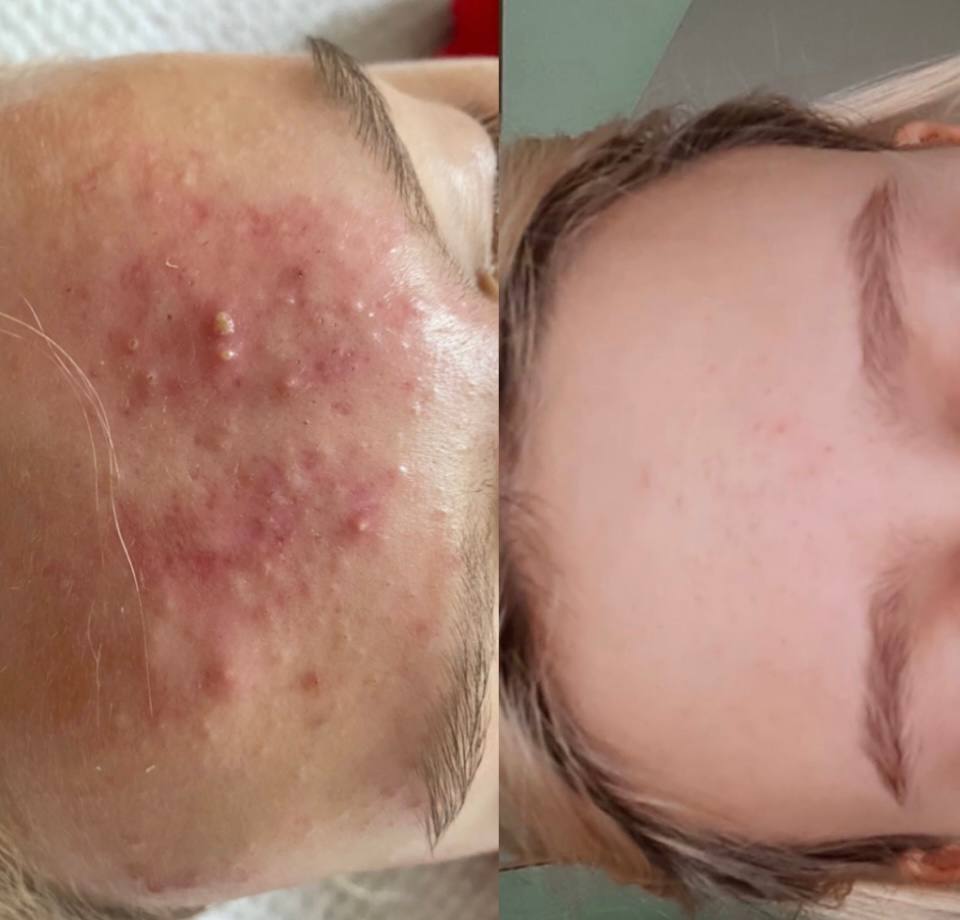
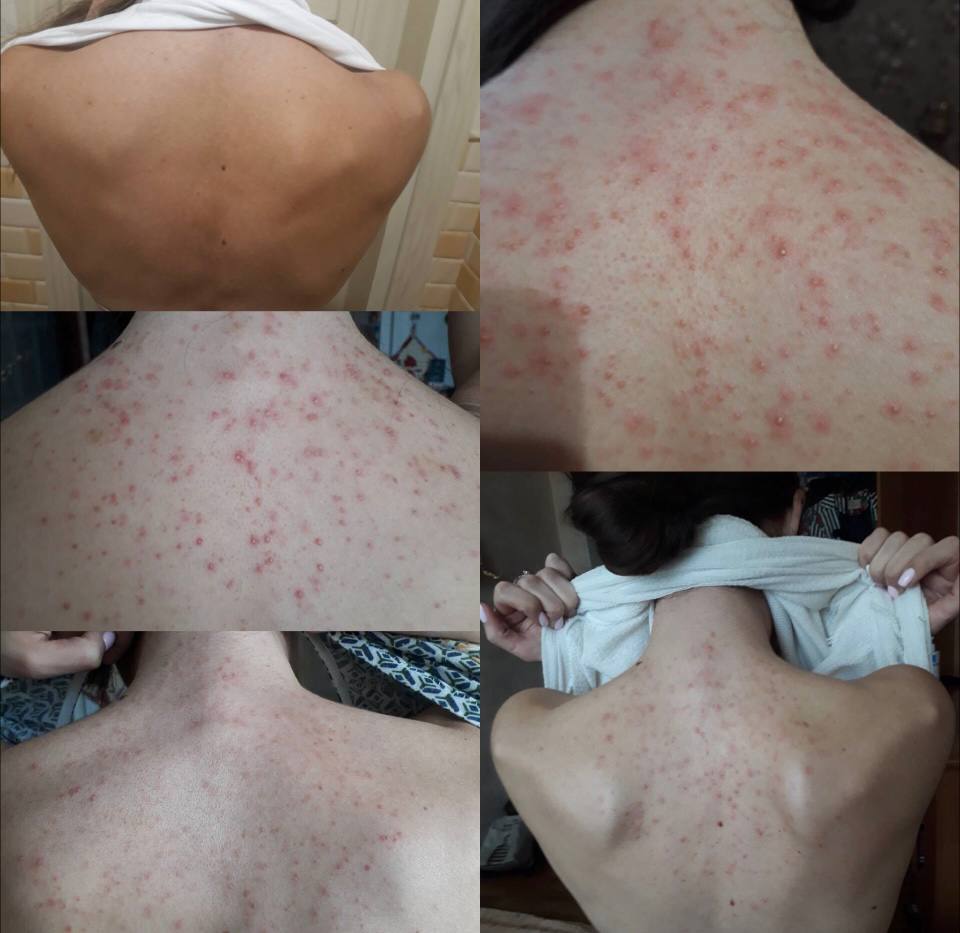
Student work results






Module 02
Acne
Learn more →Module 03
Home-care selection and building treatments
Learn more →Module 04
Myofascial and French sculptural facial massage
Learn more →Module 05
Device cosmetology for face and body
Learn more →Module 06
Marketing, sales, and scaling
Learn more →Module 07
Legal foundations and tax safety
Learn more →Module 1. Aesthetic cosmetologist
This is not a “basic intro course.” It is the foundation of the profession — giving you three things at once:
- Deep understanding of skin anatomy and physiology
- Ready protocols for client work
- Official certificate to start your career
What makes the module unique?
We do not stop at the “four skin types” (there aren’t only four!) — you study real anatomical types and conditions clients actually present with.
Instead of surface “tips,” you get a cause analysis at the body level (hormones, gut, stress, nutrition, lipid barrier).
Instead of template schemes — professional protocols developed with practicing dermatologists.
Module program
- 01Aesthetic dermatology: which concerns an aesthetic cosmetologist can truly solve.
- 02Skin conditions an aesthetician can help with: acne, couperose, pigmentation, age-related changes.
- 03Deep diagnosis: how to identify the cause of a concern, not only its outward sign.
- 04Skin anatomy and functions (barrier, sebum, pH, microcirculation)
- 05Work protocols: acne, oiliness, dehydration, dryness, sensitivity, pigmentation, couperose.
- 06Beginner error review: what you must never do when working with problem skin.
- 07Video lectures on skin structure and its disorders.
- 08Methodological material / 70-page book — full review of anatomy, causes, and problem-solving protocols.
Practical value
- After the first module you can already see clients officially.
- Learn to give sound consultations and explain the client’s concern at an expert level (this immediately raises trust and willingness to pay).
- You will build individual treatment protocols — not work “by template.”
- You will build a reputation as a results-driven specialist — meaning steady bookings and loyal clients.
How to correctly identify a skin concern and build a care scheme based on deep knowledge of formulas and anatomy.
- Protocols and schemes of professional care.
- Video lesson “Theory of skin structure.”
- Lipid-epidermal barrier: functions and ways to restore it.
- Sebum composition.
- Skin pH balance and its role.
- Anatomical review of skin types and concerns.
- Why certain skin conditions form — and how to work with the cause, not only the effect.
Deep review of aesthetic concerns:
- acne,
- skin oiliness,
- pigmentation,
- dehydration,
- dryness,
- couperose,
- skin sensitivity.
After this block you will be able to:
- accurately diagnose skin condition;
- give professional consultations;
- select treatment protocols for the client’s specific goals.
Training format:
- Online platform with detailed materials (video + methodological materials).
- 5 live Zoom sessions with the instructor (1.5–2 hours each).
- Individual support and review of your questions.
- All Zoom sessions remain recorded for the group.
Module 2. Acne: a professional approach
Block 2 — acne, rosacea, hormones, protocols, acne anatomy book, methodological material with ready supplements, lab markers, treatment schemes, retinol
Because acne is not just a “skin problem.”
This is hormones, psyche, care, nutrition, microbiome, pharmacy products — and trust.
Where you must account for all skin issues that travel with acne
Dehydration, epidermal barrier damage, pigmentation, couperose, seborrhea
And we knew: surface-level training is not enough.
So we created a deep program in which:
- you will truly understand the causes of inflammation
- you will learn to work in tandem with dermatologists and doctors
- you will master a protocol system that delivers results
- you will stop fearing difficult cases, pharmacy regimens, and retinoids
- you get ready templates, checklists, protocols, menus, and care plans
Training “Acne: a professional approach”
- Format: online
- With a Swiss diploma issued by the Beauty&IQ academy
8 blocks:
- from pathogenesis and diagnosis to post-acne, nutrition, and pharmacy products
- from psychology and cases — to real treatment plans
- everything you need to guide the client systematically and safely
If you have long wanted to:
- work with skin confidently
- stop prescribing “at random”
- speak the same language as doctors
- and become the expert clients return to —
this training is your next step.
What's included
- Methodological material with ready protocols and analysis of labs and breakouts — 300 pages
- Acne anatomy book — 300 pages
- Methodological material for the client
- 25 instructor Zooms available as recordings
- Training videos on the platform
- Detailed training program
Module program
- 01Introduction and acne pathogenesis
- 02Acne classification and cause diagnosis
- 03Cosmetological treatment and procedures for acne
- 04Home care and formulas: how to select, explain, and retain the client
- 05Nutrition and nutrients in acne
- 06Post-acne and client psychology
- 07Case reviews and treatment plans
- 08Pharmacy products and working with physicians
Block 1. Introduction and acne pathogenesis
Format: video lesson + PDF guide + animation + interactive
What you will get:
- Deeply understand how acne “is born.” Not only the names of links — but how hyperkeratosis, seborrhea, bacteria, and inflammation start the pathological chain in the skin.
- Learn to explain the client’s condition so they want to heal. Simple, clear language so they see you as an expert — not just a cleansing technician.
- Master the links: hormones — oiliness — inflammation. Why teens, women with PMS, and men after sport are different clients with different acne depth.
We cover in detail:
- Skin anatomy and physiology:
- How sebaceous glands work
- Why oily skin is not always a bad thing
- Why some have comedones and others have cysts
- 4 links of pathogenesis:
- Seborrhea (why oiliness is only a symptom)
- Hyperkeratosis (a key care mistake — ignoring the stratum corneum)
- Cutibacterium acnes (where enemy, where ally)
- Inflammation (how to recognize it and at what level)
- Triggers that start acne:
- Hormonal: androgens, stress, and PMS
- Metabolic: sugar, dairy, insulin
- Genetics and environment
Practice and tools:
- Pathogenesis scheme in PDF — for review and client demonstration
- Video animation: how an inflammatory lesion forms
- Checklist “Do I understand pathogenesis?” — for self-check
- Interactive: guess the acne form by symptoms
Why completing this block matters:
Without understanding “how it works,” all care is blind.
This is the foundation that separates a regular cosmetologist from a skin expert.
Clients return to those who “see the skin from within” — not only from the outside.
Block 2. Acne classification and cause diagnosis
Format: video lesson + PDF guide + interactive cases
What you will learn:
- How to quickly and accurately determine acne form and severity — even without a dermatologist.
- Why you can perform treatments perfectly yet see no results — and how to change that.
- How to know when the client needs labs (and which), and when correct care already solves the issue.
You will cover:
- Acne classifications (scientific and visual):
- GAGS, IGA, Leeds — acne severity rating scales
- Difference between inflammatory and non-inflammatory acne
- Why comedones and cysts cannot be treated the same way
- How not to confuse:
- Acne vs rosacea, perioral dermatitis, folliculitis, drug-induced acne
- You get a “differences” table with photos + PDF “What is it if not acne?”
- Practical block:
- 5 real cases: photos + history + discussion
- Checklist: “What to ask the client to hit the mark”
What you get in this block:
- Ready client diagnosis algorithm by external signs + questionnaire
- PDF lab checklist: hormones, gut, vitamins — when to refer to a doctor
- A “Red flags” table — when not to work without a doctor’s clearance
- Understanding why up to 30% of clients get no result — and how to fix it
Why it matters:
Without understanding acne form and cause — even perfect care may fail.
This block turns you into an analyst-cosmetologist clients trust, return to, and recommend to friends.
Block 3. Cosmetological treatment and procedures for acne
Format: video lessons + PDF protocols + demos + mistakes + templates
What you will get:
- Learn to build effective protocols without trial and error. You will know what, when, and why — not act on autopilot with standard schemes.
- Learn how to adapt treatments to each form of acne. Comedones, inflammatory lesions, post-acne — each needs its own approach.
- See real video treatment protocols — from mild to severe stages. Learn from live experience, not dry theory alone.
- Avoid the main mistakes of beginner cosmetologists:
- mechanical extraction during acute inflammation
- aggressive peels on thinned skin
- no plan for a course of treatments
We cover in detail:
- Stages of an effective program:
- Skin preparation: how not to “break” the barrier
- Care during flare-up and in remission
- How often to schedule treatments
- What to do if things worsen at the start of a course
- Treatments that work:
- Cleansing without extraction: combination, ultrasonic, enzymatic
- Peels: salicylic, mandelic, azelaic — what, when, and for whom
- Combined protocols: cleansing + peel, cleansing + calming mask
- Devices: HF, LED, microcurrents for acne — indications and contraindications
- Personalization:
- How to account for skin type, age, and medication therapy
- How to adapt treatments to cycle, season, and lifestyle
Practice and tools:
- 3 video lessons with full treatment walkthroughs
- PDF treatment protocols for different acne stages
- Checklist “what is / isn’t allowed for acne”
- “Treatment map” template for the client for 4–6 weeks
Why completing this block matters:
These are not just treatments. This is a strategy.
The client should feel: you are not “doing something” — you are guiding them to results.
System = result. And result = money and loyalty.
After this block:
- You will confidently take acne clients of any complexity level
- You will stop fearing inflamed skin
- You will receive ready schemes that work
Block 4. Home care and formulas: how to select, explain, and retain the client
Format: video lesson + PDF guides + recommendation templates + formula review
What you will get:
- Learn to select care for any form of acne — confidently and correctly. No templates, no copy-paste. You will build protocols the client can trust.
- Learn to read cosmetic formulas — easily and professionally. Comedogenicity, alcohols, fragrances, acids — you will see the real composition behind pretty packaging.
- Get recommendation templates clients will actually follow — and stop hearing “I’m too lazy to do all that.”
What we will cover step by step:
- Basic care principles:
- How not to overload the skin with acne
- When “less means better”
- What must never be prescribed in the inflammatory phase
- Care builder by types:
- Care for oily skin with inflammation
- Care for dry and sensitive skin with acne
- How to combine care and treatments
- Care for clients on pharmacy products (retinoids, isotretinoin)
- Cosmetic formula analysis:
- Ingredients that trigger flare-ups
- What actually works: acids, niacinamide, zinc, azelaic acid
- What does not work (and costs a lot)
- How to explain why the client’s favorite cream is not your ally
- Cosmeceuticals vs pharmacy:
- What is worth recommending
- How to justify — not hard-sell
- Brands you can trust
Practice and tools:
- “Decode the formula” cards: learn to see the issue in the INCI
- PDF cheat sheet “what is / isn’t allowed in acne care”
- Care recommendation template — easy to print or send to the client
- List of reliable brands in 3 price segments
Block 5. Nutrition and nutrients in acne: internal causes you cannot ignore
Format: video lesson + PDF guide + product and nutrient lists + client communication strategy
What you will get:
- Understand how nutrition directly affects acne-prone skin. No myths and no “ban everything.” Only evidence-based facts and simple explanations.
- You will communicate the importance of nutrition without turning the visit into a wellness lecture. Support without pressure = trust and results.
- Master the list of nutrients that actually work for acne. You will no longer recommend zinc or probiotics at random — everything with clinical logic.
What we will cover step by step:
- How nutrition triggers inflammation in the skin:
- Impact of sugar, dairy, gluten, and fast food
- Why IGF-1 (insulin-like growth factor) is a key enemy in acne
- What an “inflammatory diet” looks like
- Anti-acne products and nutrients:
- Omega-3: source, dosage, how to choose
- Zinc, vitamin D, B vitamins
- Probiotics and prebiotics: which forms and how to explain to the client
- Role of microbiota and the gut: skin and gut are always linked
- How to discuss nutrition with the client gently:
- Without shame, moralizing, or criticism
- Nutrition psychology in acne
- How to move a client from “I eat everything and don’t want to change” to “I want to try what you recommend”
- Nutraceuticals and supplements:
- What actually works
- What NOT to prescribe without a doctor
- How not to lose a client even if they are a skeptic
Practice and tools:
- PDF: “TOP-10 foods that worsen acne”
- PDF: “TOP-10 nutrients for clear skin”
- Nutrition recommendation template — for different client types (psychotypes + budget)
- List of proven nutraceuticals (not tied to a brand)
Why completing this block matters:
You are not a dietitian, but you are a specialist working with skin.
And acne is inflammation. Inflammation starts from within.
When you can talk with the client about nutrition, you become a complete expert.
This is not a “bonus topic” — it is the key to lasting results and deep work.
Block 5. Nutrition and nutrients in acne
A topic most cosmetologists avoid — yet without it, stable results are impossible.
Format: video lesson + PDF guide + anti-acne menu + nutrient table
What you will get:
- Understand why skin inflames even with good care — and why treatments and cosmetics last no more than a week if inflammation continues from within.
- Master the foundational nutrition knowledge every cosmetologist needs. No overload — only specifics: which foods, which nutrients, which dosages.
- Learn to talk about nutrition with the client gently — and be heard. Without shame, moralizing, or “you can’t eat this or that.”
What we will cover:
- Food as an inflammation trigger
- How sugar, dairy, fast food, and trans fats work
- Why IGF-1 is the hormone that “switches on” acne
- The link between insulin resistance, skin, and oiliness
- Gut, skin, and microbiome
- Why the gut is the main “client” of your treatment
- How constipation, bloating, and candidiasis affect acne
- What helps: probiotics, prebiotics, fiber
- Nutrients that work
- Zinc: types, dosages, when it does NOT work
- Omega-3: what to buy and how to explain the difference to the client
- Vitamin D and B6/B12: when to test and when to replenish
- Probiotics: which forms actually work
- How to communicate this to the client — and not lose them
- “I’m not ready to change everything” — how to guide the client step by step
- How to give advice without the client feeling you are “policing their diet”
- Ready phrases, examples, cases
Practice and tools:
- 7-day anti-acne menu — without gluten, dairy, and sugar
- Table: which nutrients for which forms of acne
- PDF guide “10 foods worth limiting”
- Ready client recommendations — in three formats (firm, soft, through care)
Why completing this block matters:
“Your skin reflects how your body eats and digests.”
98% of cosmetologists fear talking about nutrition so they do not seem “out of their lane.” The 2% who do it gracefully are the ones clients seek for results.
You will become that specialist.
System from within + treatments from outside = clear skin and a loyal client.
Block 6. Post-acne and client psychology
How not only to clear inflammation, but to restore the skin — and the client’s self-trust.
Format: video lesson + PDF guide + support phrases + post-acne correction scheme
What you will get:
- Learn to address acne traces: scars, pigmentation, enlarged pores. You will know which methods work, when to use them, and how to build a course.
- Master work with the “traumatized” client — who has tried everything, trusts no one, and is afraid. You will learn to speak in a way that restores, not wounds.
- You become not just a specialist, but a guide to recovery. And the client stays with you long-term — because you are the one who understands, not only “does treatments.”
What we will cover:
- Post-acne: what it is and how to work with it
- Types of post-acne: scars, marks, inflammatory foci, “stagnation”
- When you can start correction (and when you cannot!)
- Mistakes that worsen post-acne (for example, aggressive peels at the wrong time)
- Methods: acids, retinoids, microcurrents, fractional peels — step by step
- Psychology of the client with acne:
- Why acne is not only about skin, but also about self-esteem
- Clients who “hide,” feel ashamed, or devalue — how to work with them
- How not to offend or “lecture” — stay beside them and guide
- Which words support — and which create resistance
- How to build long-term client relationships:
- Support strategy after a course of treatments
- How to retain clients without discounts or manipulation
- When and how to offer a “refreshed course” after 6 months
Practice and tools:
- Post-acne correction scheme by severity: from mild hyperpigmentation to fibrotic scars
- PDF: client support phrases — what to say and when
- Post-treatment recommendation template for sensitive skin
- Checklist “Dangerous cosmetologist phrases” — and what to say instead
Why completing this block matters:
“Acne is not just inflammation. It is the story of someone who looked in the mirror and did not love themselves.”
The client does not come for a treatment. They come for confidence.
You will deliver not only results on the face, but recovery from within.
This is what no cream can give. This is why clients return again and again.
Block 7. Case reviews and treatment plans
How to turn knowledge into practice — and confidence in results.
Format: live review + PDF cases + plan templates + error analysis
What you will get:
- You will learn how to build a real care course from the first consultation — not just “pick treatments,” but see the full picture: pathogenesis, lifestyle, home care, nutrition, emotions.
- Learn to think like a skin strategist. Each case is not a “problem,” but a system — and you will learn to untangle it.
- You will see real cases — with photos, history, and progress. You will stop fearing complex clients because you will see how others solve what scares you now.
What is in the block:
- 7 real cases:
- A 34-year-old woman with hormonal acne and flare-ups after every cycle
- A 15-year-old with an aggressive form who does not trust cosmetology
- A young woman with post-acne and perfectionism: “I won’t go out without a filter”
- A 29-year-old man, gym lifestyle, acne linked to sports nutrition
- A client after Roaccutane with reactive skin
- Combined therapy: dermatologist + cosmetologist
- “Failed case”: the client who left — and came back
- Case review algorithm:
- How to read between the client’s lines
- What to ask to find the real cause
- How to build a treatment and care course — for 1, 3, and 6 months
- How to track progress and adjust the plan
- Review of typical mistakes:
- Overpromised results
- Overly fast aggressive treatments
- No written plan
- Ignoring the background (nutrition, hormones, psyche)
Practice and tools:
- PDF dossier: 7 cases with photos, protocols, and results
- “Client plan” template for 1, 3, and 6 months (print or digital)
- Checklist: “What to ask the client to hit the mark”
- Scheme “what to do if there is no result in 3 months”
Why completing this block matters:
“Knowledge without practice is theory. Practice without a system is chaos. But knowledge + structure + cases = confidence.”
This block is your training ground.
After it, you will stop fearing complex clients.
You will begin to see and think like a skin analyst — and that is what commands premium fees.
Block 8. Pharmacy products and working with physicians
How to speak the same language as dermatologists — and support the client without fear or mistakes.
Format: video lesson + PDF product guide + compatibility table + cosmetologist checklist
What you will get:
- You will understand pharmacy products used for acne — and learn to work with them correctly. Without prescribing. Without “playing doctor.” But with clarity on what the client does at home — and how it affects treatments.
- Learn to build a professional dialogue with the dermatologist — without rivalry or misunderstanding, as partners in one process.
- Get clear boundaries on what is and is not allowed during medication therapy — and how to build treatments during retinoids, isotretinoin, antibiotics, or hormones.
What we will cover:
- Topical pharmacy products:
- Retinoids: adapalene, tretinoin, tazarotene — how they differ and how they work
- Combination products: Effezel, Clenzit-C, Zinerit — what does not mix with what
- Antibacterial gels: benzoyl peroxide, clindamycin
- Azelaic acid: Skinoren, Azelik — what to do if the client reports burning
- Systemic medications:
- Isotretinoin (Roaccutane): mechanism, phases, what is and is not allowed in care
- Hormonal therapy (Diane-35, Jess) — how to support the client
- Antibiotics (doxycycline, minocycline): what to expect and how not to harm the skin
- How to support a client on pharmacy products:
- Care on retinoids — “minimalism + protection”
- Care on isotretinoin — skin like glass: what to exclude for sure
- Peels, cleansings, masks — allowed? If yes, when?
- Working with a physician:
- How to write a sound summary for the dermatologist
- How to guide the client in tandem with a doctor
- When to decline a treatment — and refer instead
Practice and tools:
- PDF guide: “Pharmacy products for acne — mechanism, side effects, compatibility”
- Table: compatibility of treatments and products
- Cosmetologist memo: “What to do if the client is on Roaccutane”
- Phrase template for communicating with a doctor
Why completing this block matters:
“Professionalism is not doing everything yourself. It is knowing the boundary — and how to be useful in tandem.”
You will become the cosmetologist dermatologists want to collaborate with.
Whom the client approaches not “despite treatment,” but as an ally in comprehensive therapy.
You no longer fear pharmacy products. You know how to work with them.
Which means you are a step above the rest.
Module 3. Home-care selection and building treatments
This module is the heart of the cosmetologist profession.
The ability to build a treatment and home-care scheme is what separates a hobbyist from an expert with results. We do not lock you to specific brands. We give a deep understanding of cosmetic composition so you can create effective care schemes yourself.
Why does this matter?
- 80% of the result comes not only in the treatment room, but through correctly selected home care.
- It is the skill of building treatment and home-care schemes that forms your expert status and steady booking calendar.
- It is also a separate income stream: you earn not only from appointments, but from sound recommendations.
Module program
- 01Brand and formula review: not ads for specific labels, but systemic knowledge so you can work with any brand.
- 02Deep analysis of surfactants and active ingredients: which components truly work for acne, pigmentation, dehydration, and couperose.
- 03How to select and combine products correctly: cleanser, toner, serums, creams, masks, SPF — based on composition, not marketing.
- 04Building care schemes by skin concern: acne + dehydration, couperose + sensitive skin, pigmentation + age-related changes, and more.
- 05Mixing brands and treatments: building protocols that deliver maximum results.
- 06Selecting cosmetics for treatment and retail: how to choose partners, avoid mistakes, and not waste money.
- 07Home care as a business direction:
- how to offer care without pushiness (so the client thanks you instead of resisting),
- how to build a “second ticket” from recommendations alone,
- how to build long-term relationships with the client.
Training format
- A methodological guide with ready scheme examples and formula analysis. Full surfactant review by skin concern. Selecting care: cleanser, toner, serum, cream, mask, SPF.
- Examples of ready home-care schemes for acne, couperose, dehydration, and age-related changes.
- Detailed video lessons on care selection and treatment schemes.
- 3 live Zoom sessions with the instructor (real requests, student cases, practical help).
Result for you
- You will understand formulas better than 90% of cosmetologists
- You will build individual care programs that actually work.
- Gain a skill that keeps clients with you for years.
- You can earn from care selection without renting a studio — even working online.
What’s included:
- Brand review by formulas and actives.
- How to correctly build a treatment for the client’s specific concern.
- How to combine products from different brands for maximum results.
- Selecting the right care for face and body.
- How to choose cosmetics for partnership without mistakes.
- How to run consultations and earn from home-care selection alone — without leaving home.
Module 4. Myofascial and French sculptural facial massage
These techniques are chosen by leading European aesthetic cosmetology schools and luxury salons. Now they are available for you to master as well.
What will you get from the training?
- Master two elite massage methods that deliver visible results after the first session.
- Learn to work not only with the skin, but also with deep muscle and fascia layers — making massage an alternative to injections and device treatments.
- Receive proprietary protocols adapted for different age groups and aesthetic concerns.
- Learn to sculpt the face with your hands — defining the oval, reducing puffiness, and smoothing wrinkles.
Why it pays off for a cosmetologist
Exclusivity: few practitioners know these techniques — you will be among them.
Premium fees: in Europe and Switzerland a single session starts from 150–200 €.
Loyal clients: they return because results rival injections — without pain or downtime.
Status growth: mastering these techniques moves the cosmetologist into the premium segment.
Module program
French sculptural massage of the face, neck and décolleté
- 01A unique mix of classic European techniques, lymph drainage, and neurosensory stimulation for deep facial muscle work and improved skin tone.
- 02Effective reduction of oedema, muscle relaxation, restored tone and a lifting effect from the first session.
- 03A detailed review of facial muscle anatomy and neurolymphatic activation techniques.
- 04Vector lifting: targeted work along myofascial lines to shape the oval and lift tissues.
- 05Facial sculpting massage — shaping harmonious features, emphasising the cheekbones, reducing a double chin and asymmetries.
Results for the client:
- Reduction of oedema and pastosity
- Pronounced lifting of the facial oval and neck
- Smoothing wrinkles: glabellar fold, nasolabial folds, forehead lines, crow’s feet, under-eye lines, lines at the corners of the mouth (“marionette folds”
- Relaxing the masseter muscles and relieving head tension.
- Improved microcirculation and skin quality.
Myofascial facial massage
- 01“Anatomical atlas of facial and body muscles” — a deep review of muscle and fascia work.
- 02Vietnamese facial massage (non-surgical lift).
- 03Vietnamese massage combined with buccal massage of the face, neck, and head (a rare technique few practitioners know).
- 04Reducing double chin, relieving migraines, improving hair growth.
- 05Proprietary protocols: combining techniques for specific concerns. Targeted correction: nose refining, cheek sculpting, “melting” creases.
- 06Practice under a rehabilitation specialist with 15 years of experience.
Results for the client:
- ✔ reducing double chin
- ✔ marked relaxation of facial muscles
- ✔ relief of migraines and head tension
- ✔ improved hair growth through normalized microcirculation
- ✔ shaping defined cheeks and a harmonious facial oval
- reducing a “tired face” look
- ✔ smoothing wrinkles by releasing muscle blocks
- ✔ feature harmony and visual rejuvenation of 5–10 years
Suitable for:
- Cosmetologists and massage therapists working with face and body.
- Practitioners in anti-age, wellness, and spa fields.
- Specialists seeking natural lifting methods without injections.
- Complete beginners who want to master a WOW-effect technique right away.
All these facial massage techniques involve deep work (kneading) of soft tissues. That is what sets them apart from other massage techniques used in cosmetology.
5 live Zoom sessions with the instructor, deep anatomy and muscle review, detailed feedback on your techniques during training and hand positioning.
What you will study in training:
- Anatomy and physiology of the face, neck, and décolleté in the context of puffiness and aging.
- Mechanisms of lymph and fluid stagnation, puffiness, and tissue laxity — and how to resolve them gently but effectively.
- Neurolymphatic activation techniques: how touch can start drainage without aggression.
- Stages of classic French massage: rhythm, glide, pause, neural connection.
- Lifting method: working with the myofascial layer (SMAS), without pain or strain.
- Techniques for “melting” puffiness and restoring tone around the eyes, cheeks, facial oval, and décolleté.
- Massage closing rituals — French aesthetics in the details.
Module 5. Device cosmetology for face and body.
7 face and body devices that help you command premium fees based on results.
Module program
- 01How to work correctly with devices.
- 02Review of each device by function and action.
- 03Working protocol schemes combining treatments + massage + devices according to the client’s concern
- 04Which client concern each device is best suited for.
- 05Theory video lesson for each device.
- 06Practical video lesson with work on models.
You will also learn:
- How and with which device to best deliver collagen stimulators in cosmetology: which ingredients truly trigger collagen synthesis.
- Anatomical breakdown: how collagen restoration connects to solving concerns (wrinkles, loss of firmness, couperose, post-acne, dehydration).
- How to correctly deliver peptide serums with devices.
Please note: as an international school we provide deep device training, but if your country requires an additional exam, you must follow the requirements of the country where you work.
Module 6. Marketing, sales, and scaling: how to turn knowledge into stable income
This module is the essence of everything you need not only to know how — but to earn.
- ✔ You’ve mastered techniques — what’s next?
- ✔ How to make clients seek you out themselves?
- ✔ So your fee grows and your calendar fills weeks ahead?
- ✔ So you can start from scratch — even without a salon, connections, or budget?
Module program
- 01Sales triggers in cosmetology: how to influence the client’s decision from the first seconds.
- 02How to bring clients back without pushiness, building long-term loyalty.
- 03How to raise average ticket ethically through smart packaging of services.
- 04How to start from scratch without capital — practical market-entry scenarios from an apartment, home, or studio.
- 05Where to find clients: proven platforms, social media, local tools.
- 06How to join a prestigious salon even without a “name” — steps and positioning strategy.
- 07European marketing specifics: how promotion differs in Switzerland, Germany, and Canada — and how not to waste money.
- 08Beginner mistakes that lose clients and money — and how to avoid them.
What this module gives you:
- Understanding how to package yourself as a brand — even if you work alone.
- A sales strategy that does not require ad spend.
- Confidence that there will always be enough clients.
- A step-by-step system to monetize your skills in the first month after you start.
Ideal for you if:
- You are just starting and do not know how to make yourself known.
- You already work, but lack income stability.
- You fear “selling yourself” — and want to learn to do it gracefully and confidently.
- You want to reach a level where your fee reflects quality — not an underpriced rate.
Module 7. Legal foundations and tax safety in the beauty business: without fear, mistakes, or fines
Knowledge and technique are not enough if you cannot protect yourself as a specialist and entrepreneur.
Module 7 is your practical navigator through legal realities: from opening a business to dealing with inspections, from bookkeeping to building a sound business plan.
Everything training often skips — but that you must know to work in Europe, Ukraine, or internationally.
Module program
- 01Mistakes to avoid so you do not face fines, practice suspension, or a work ban.
- 02How to open a business correctly and register your activity in Europe or Ukraine.
- 03Step-by-step guide to creating a business plan — if you want to:
- get funding from the Jobcenter,
- open a business via Kleingewerbe / Selbständigkeit,
- apply for a grant or loan.
- 04How to keep accounts: what can be claimed as expenses, how to keep receipts, what tax authorities look for.
- 05Tax accounting basics — no extra theory, only what a practitioner or entrepreneur truly needs to know.
- 06Which taxes apply in Switzerland, Germany, Poland, and Ukraine — and what to watch when relocating.
- 07Hygiene plan (Hygieneplan) — a required document for inspections in a salon or private practice in Europe.
- 08Which authorities may inspect you — and how to conduct yourself correctly.
You will know:
- How to work officially, legally, and calmly — without fearing tax authorities, health inspectors, or competitors.
- How to package yourself as a business correctly — even if you work from home.
- How to protect yourself from administrative and criminal risks — especially in Europe.
- How to start your practice with a legal foundation that earns respect from clients and partners.
Suitable for:
- Cosmetologists and massage therapists working in Europe, Canada, or Ukraine — or planning to relocate.
- Beginning specialists who want to avoid legal mistakes from day one.
- Entrepreneurs who want to be more than a technician — an official business with trust and stability.
Plans
Training tuition
Cosmetologist and massage therapist from scratch
Plan 1
- The full training program
- Self-paced learning
- Certificate: cosmetologist, massage therapist, 600 hours
- Zooms not included
1400 €
You can reserve a place for 500 €
Plan 2
- The full training program (cosmetologist, massage therapist)
- Syllabus document for 1900 hours
- A separate syllabus document on acne
- 50 live instructor Zooms available as recordings
- 10 live Zooms with the instructor
2500 €
You can reserve a place for 500 €
Plan 3
- Curriculum
- 50 live Zooms as recordings
- Full individual mentoring with the instructor
- 20 live Zooms with the instructor
3500 €
You can reserve a place for 500 €
Yes. The program is designed both for those entering the profession and for specialists who need a systematic foundation. You go from fundamentals to confident practice with protocols and hands-on work.
No. Profile training is enough to work as an aesthetic cosmetologist. You will learn the boundaries of aesthetics and medicine and work confidently within your area of responsibility.
Access is planned so you can complete the program at a comfortable pace and consolidate practice. Exact timelines for your chosen plan are confirmed when you enroll.
Yes. Practical training is built into the program: you learn not only theory, but also how to apply protocols in real conditions so you can meet clients with confidence.
After completing the training you receive academy documents confirming completion of the program. Certification details are in the Swiss certification block on the course page.
Yes. Individual modules can be purchased separately if you want to start with a specific focus and gradually build a complete knowledge system.